
Being a parent is a joyful experience, but it often comes with its fair share of challenges! De Quervain tenosynovitis (DQT) or Mummy’s wrist is a common wrist pain among new parents. An incredible 60% of postpartum women will experience hand and wrist pain within 2 months of giving birth. Here at Elite Performance Therapy we will want to explain what DQT is, why it happens and the treatment options we offer.
What is DQT?
DQT is a condition characterized by inflammation of the tendons that control the movement of the thumb which causes an overuse injury to the tendons in the base of the thumb and side of the wrist. Because of overuse, the tendons and the sheath become inflamed and movements such as gripping, twisting open jars or bottles, and holding/lifting a child can be very painful.
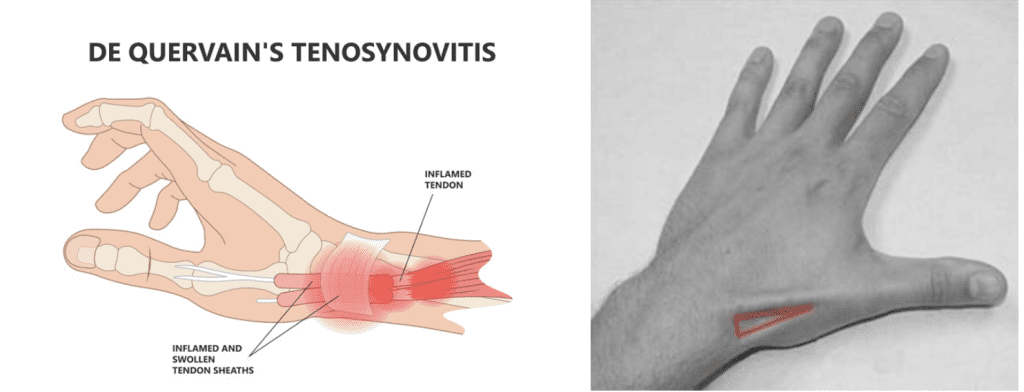
Symptoms of DQT
- Acute or achy pain in the side of the thumb
- Pain referring up into the wrist and forearm
- Tightness in the forearm
- Reduced grip strength
- Pins and needles or tingling in the hand
- The base of the thumb may feel swollen and thick, and stiff to move.
Who Gets DQT and How Common Is It?
DQT is common among new parents or caregivers of young children because of the repetitive nature of holding, feeding (particularly breastfeeding) and picking up a young child. This also includes the repetitive movements of changing nappies and opening baby food jars. Additionally, due to hormone changes for a female, pregnancy will also increase the likelihood of developing it. However, it may also affect people with very repetitive movements at work, for example, hairdressers, carpenters and gardeners.
Self-management Technique for DQT
Thankfully there are some simple techniques you can try at home to help manage the pain. Above all, the should focus should be on minimising painful movements in order to reduce the inflammation.
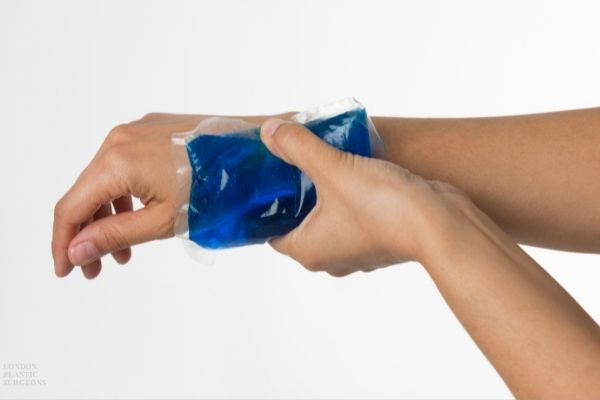
1) Icing
Use a cold pack (or anything from the freezer wrapped in a tea towel, a bag of peas are great! ) and place it on the painful area. Ice is a natural anti-inflammatory and will temporarily numb the area and thus reduce the pain.
2) Anti-inflammatory Medication
If you have no contra-indications, chat to your pharmacist and consider taking an over-the-counter anti-inflammatory medication (NSAID). However, NSAIDs are not advised if you are:
- Breastfeeding
- Currently pregnant
- Have a known allergy to anti-inflammatory medication
Please note : If you are unsure if NSAIDs are for you, please consult a medical professional first before taking any medication.
3) Minimise the Use Of Your Thumb
To avoid aggravating the injury any further we want to note any movements or activities that create a flare up. Please then minimise doing them as much as you can. Some common activities you may need to adjust:
- Carrying your baby: Instead of lifting baby up from her underarms, scoop baby up from under her bottom, with your palm facing up. Try to keep your wrist straight, and thumbs relaxed
- Breastfeeding: While carrying the baby, place a pillow under their head. This should help to support the weight of the head without having to strain your wrist
- Opening jars/bottles: if you’re able to, find someone to help prepare bottles and do the cleaning while your hand recovers.
How Can Elite Performance Therapy Help with Managing DQT?
We can help treat mummy’s wrist by using a few different manual techniques. A big part of the treatment will also include strengthening exercises for your hand and wrist after the pain has settled, to get you back to full use of your hand.
1) Massage and joint mobilisation
Massage can help release the tension of the muscles in the forearm, and helps alleviate some of the pain. This is often done in combination with mobilisation of the wrist joints, to allow more movement and reduce stiffness. Together, these two hands-on techniques can temporarily reduce symptoms and allow you to do exercises and daily tasks with more comfort.
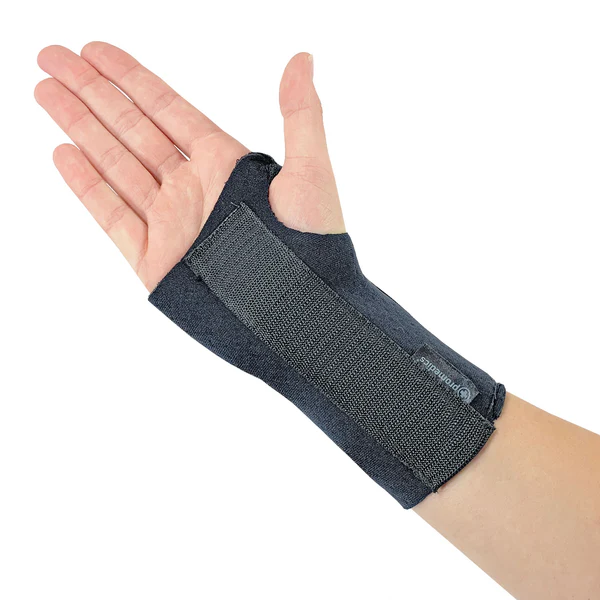
2) Wrist Splinting
We may suggest a hand splint to minimise movement of the thumb and wrist. This splint will allow the affected thumb tendons to rest and acts as a reminder for you to avoid overusing your hand or using it in painful ways.
3) Exercises
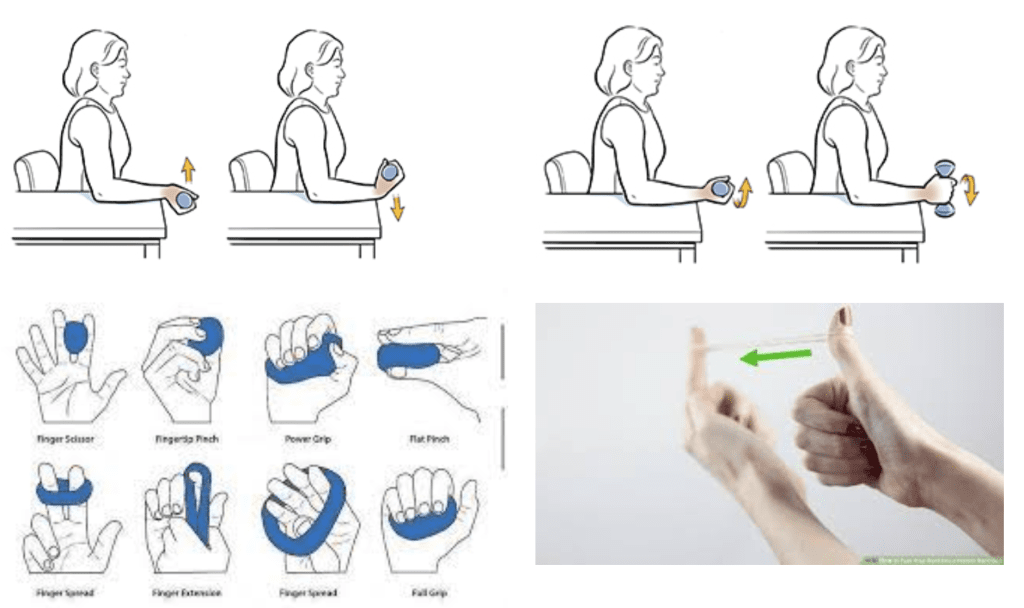
Depending on the severity of a client’s DQT injury, we may start you on a gentle range of movement exercises in the wrist and hand/thumb. The aim is to maintain as much thumb and wrist movement while the pain and inflammation settle down.
Once some of the acute pain has settled, you’ll progress to light-resisted exercises using small dumbbells or a resistance band to gradually rebuild strength in the wrist. This usually involves doing wrist curls in different directions. Hand exercises will focus on squeezing actions and stretching your thumb back.
We are here to help!
Here at Elite Performance Therapy we understand that caring for a newborn can be a stressful and challenging time, even without the aches, pains and injuries that can go along with it! If you’re a new parent and struggling with your wrist please do not hesitate to give us a call or contact us here for a free consultation, we would love to help !